

5 Questions That Separate a RV Roof Tech from a Guy with a Ladder
What every RV owner needs to know before letting anyone near their roof.
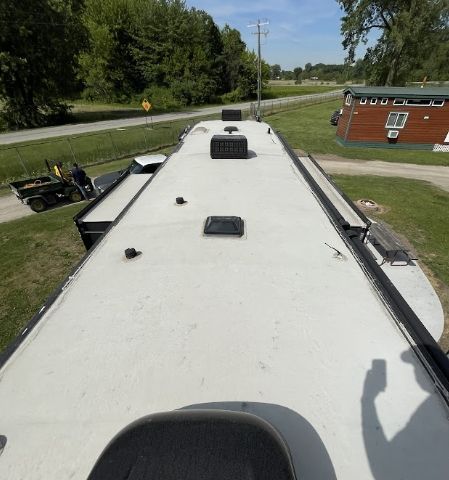
Too many RV owners learn the hard way that not all RV roofing is created equal. They grab the lowest bid, trust a handyman, or try a DIY approach because "a roof is a roof," right?
Wrong.
RV roofs are a different world — different materials, different failure points, different installation standards, and very different consequences when someone gets it wrong. After all, you are driving a rolling earthquake. A structure that flexes, vibrates, expands in the heat, contracts in the cold, and takes road debris at 70 miles per hour down the interstate. That is not a residential roof. It is not a mobile home roof. It is not a commercial roof. And the person working on it needs to understand that difference before they ever set foot on your rig.
If you want to protect your investment, avoid warranty nightmares, and make sure your rig is safe on the road, these are the five questions every RV owner should ask before a contractor ever sets foot on their roof.
Meet Bob. This Is What Happens When You Don't Ask.
Before we get to the questions, we want to tell you about Bob. Because Bob's story is exactly why these questions matter & because we've seen his situation play out more times than we should ever have to.
Bob and his wife owned a beautiful Newmar diesel pusher. For those who know RVs, you know what that means. This wasn't a starter rig. This was a serious, significant investment — the kind of coach people save for, dream about, and plan their retirement around.
And Bob couldn't use it.
Every time it rained, he was setting out six buckets inside his rig. He wasn't taking trips. He wasn't visiting his kids. He was watching his dream coach sit in the driveway deteriorating while the weather made the decision for him about whether he got to live his RV life that week.
Bob had hired a local roofing company in South Florida to fix his leaking roof. They showed up, they did work, and they charged him over $5,000 for the job.
What they actually did was nail boards down on top of his existing roof and caulk around the edges of each board. The nail heads were caulked. The boards themselves were bare, exposed wood & they were sitting on top of an RV roof in the South Florida sun and rain with nothing protecting them. The nail holes were covered. The wood was not.
No wonder it was leaking. It was almost guaranteed to leak. And with every rain, every temperature cycle, every mile of road vibration, the damage underneath was compounding quietly while Bob set out his buckets and waited for a call back that was never coming.
By the time Bob found us, the company that took his $5,000 had gone completely silent. No calls returned. No responses. Ghosted — for over six months. Bob hadn't been able to visit his kids in two years.
When we got on that roof, ten sheets of decking had to be replaced. The moisture damage that had been allowed to develop, accelerated by a repair that was never a repair at all that had worked its way through the roof structure in ways that couldn't be patched or covered.
Ten sheets of decking later & a professional install by one of our teams & Bob had a maintenance-free roofing system on a roof that was structurally sound for the first time in years.
Bob's coach is back on the road.
But he lost two years of time with his kids and spent far more than $5,000 to undo damage that should never have happened. All because he didn't know the right questions to ask before letting someone touch his rig.
Here are those five questions.
Question 1: What Roofing System Do You Install & Why That One?
A real RV roofing professional can explain the differences between EPDM, TPO, PVC, vinyl, & fiberglass. They can tell you why they recommend one system over another, how that system performs in heat, cold, UV exposure, and flex, and what ongoing maintenance it requires.
If a contractor or RV roof repair company can't explain the why behind what they're installing, they are not installing a system. They are rolling out material and hoping for the best.
The company that worked on Bob's roof clearly had no understanding of RV roofing systems. They applied a residential logic, they nail it down, caulk the edges — to a structure that demands an entirely different approach. The result was bare wood exposed to the elements and a rig that leaked worse than before.
Ask all the questions. If the answers are vague, incomplete, or defensive, walk away.
Question 2: How Long Does a Proper RV Roof Installation Take?
If they say one day — run.
A quality RV roof installation can require a full tear-off, substrate inspection, repair or replacement of damaged decking, proper prep and cleaning, adhesive cure time, seams and transitions and terminations done correctly, and a final inspection. That process cannot be rushed without compromising the result.
At RV Roofing Solutions, our installs take a minimum of three days & maybe even longer when repairs are needed, because repairs are done before the system goes on, not covered over. Bob's roof took us 7 days.
A rushed job is a failed job waiting to happen. Bob's repair was almost certainly a same-day job. Nail some boards down, run a bead of caulk, collect the check, and move on. Speed was prioritized over quality & Bob paid for that decision for two years.
A professional will tell you exactly why the timeline is what it is. If a contractor pushes back on the question or promises a faster turnaround to win the job, that is your answer.
Question 3: What Does Your Warranty Actually Cover?
This is where the lowest bidder suddenly becomes the most expensive mistake.
Ask whether the warranty is transferable. Ask whether it covers labor or just materials. Ask whether it requires annual inspections to remain valid. Ask what voids the coverage. Ask whether the contractor stands behind their work or hides behind fine print.
A trustworthy company will explain their warranty in plain English and will not get defensive when you push for details.
Bob's contractor had no accountability after the job was done. No warranty worth the paper it was written on. No calls returned. Just a $5,000 receipt and a leaking roof getting worse by the season. When the work disappeared behind a disconnected phone number, so did any chance of recourse.
Why We Offer a 10-Year Warranty — Not a "Lifetime" One
At RV Roofing Solutions, every job comes with a 12-month workmanship warranty from the installing technician, plus a 10-year transferable labor and material warranty from the company.
Our system typically holds up for 17-20 years. So why not call it a "lifetime" warranty like a lot of other companies do?
Because we'd rather tell you the truth than make a promise that sounds impressive and disappears the moment you actually need it.
"Lifetime" warranties often come loaded with exclusions — fine print that gives a company an out when it's time to honor the claim. That doesn't necessarily mean the product is bad. It usually means the warranty was never built to be used, just to close the sale.
A 10-year warranty is something we can stand behind, in writing, with no games. And realistically, most RV owners don't keep the same rig for 10 years, let alone worry about what happens after that. We'd rather give you a number we can guarantee than a word that sounds good and means nothing.
Question 4: Do You Provide a Full Inspection Report With Photos?
If they don't document their work, you can't verify their work.
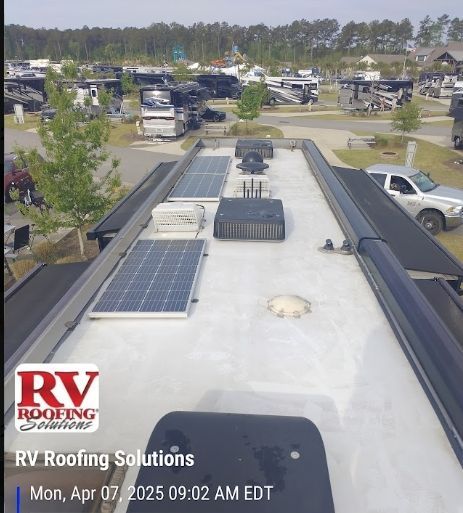
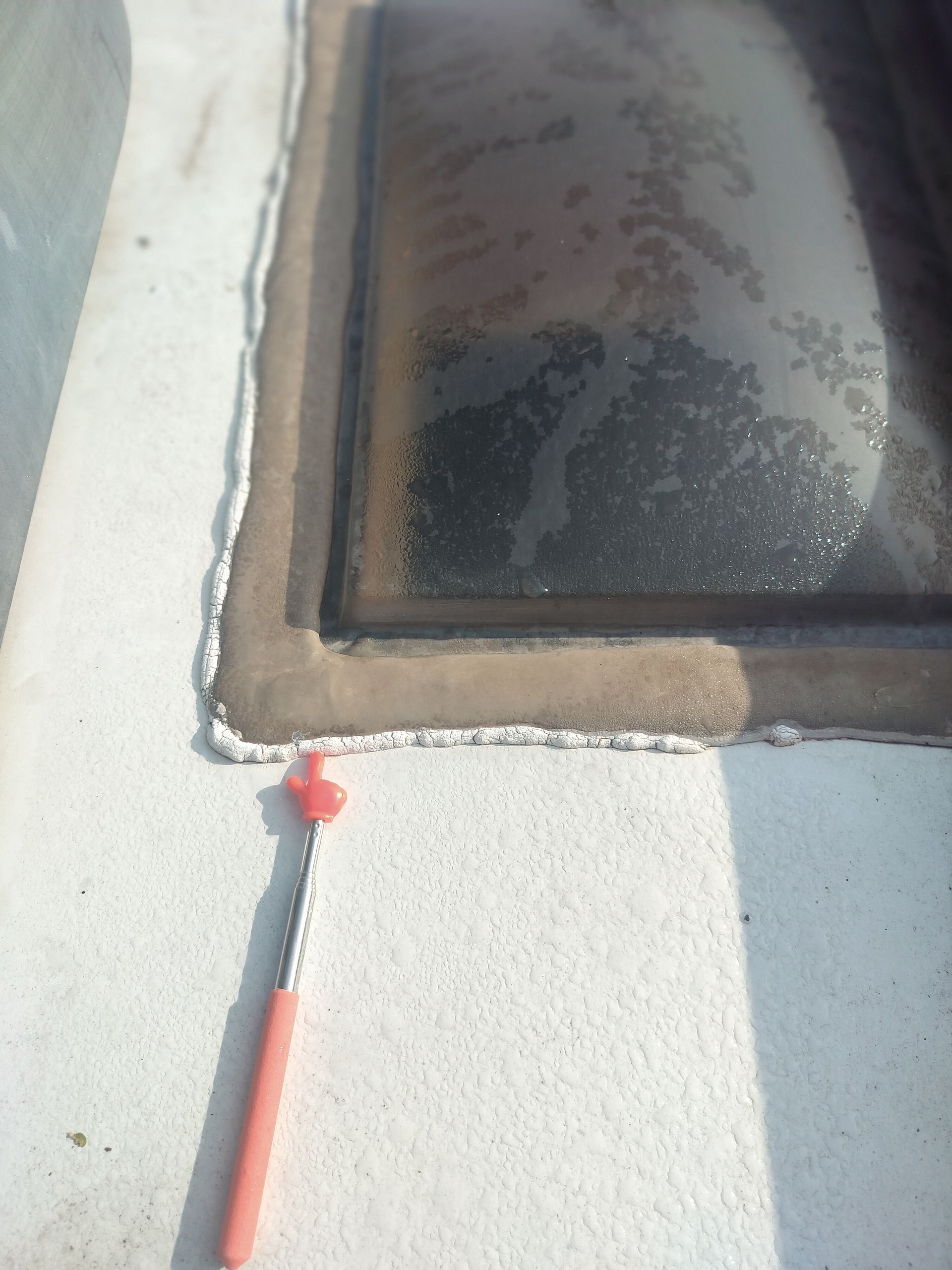
A professional contractor should provide a full roof inspection with 15 to 25+ photos of JUST the inspection, notes on existing issues, recommendations for repair or replacement, and complete documentation of what was done and why. That report protects you — for insurance claims, for resale, for warranty validation, and for your own peace of mind.
When Bob's contractor left, there was no report. No photos. No documentation of what was found or what was done. Just boards nailed to a roof and a bill. When the damage continued and Bob tried to seek accountability, he had nothing in writing to back him up.
Documentation isn't paperwork for its own sake. It's the paper trail that protects you when things go wrong — and in the RV roofing world, things go wrong more often than they should.
RV Roofing Solutions takes it further. Every stage of your installation is documented with photos, that means there are typically 85-150 images throughout the process, start to finish.
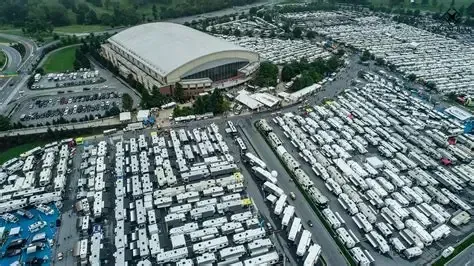
And if you catch us at a rally, this is a seriously affordable service
RV Roofing Solutions inspections start at just $99, with a special discount for our Family RV Association members, done onsite, by a team that specializes in roofs (not a jack-of-all-trades handyman fitting you in between jobs).
Why get a professional inspection at a rally?
Because it's protection against problems before they start. It's documented. Whether you choose us for the repair or not, you'll walk away knowing your roof's areas of concern, potential leak threats, and what needs attention now versus what can wait.
That knowledge is yours either way. That's the point.
Question 5: Are You an RV Roofing Specialist — or a General Contractor Who "Also Does Roofs"?
This is the big one — and it's the question that would have saved Bob everything.
RV roofing is not residential roofing. It's not mobile home roofing. It's not commercial roofing. RV roofs flex and move and expand and contract and take a beating at 70 miles per hour on the interstate. The materials are different. The failure points are different. The installation standards are different. And the consequences when someone gets it wrong are very different.
The company Bob hired was not an RV roofing specialist. They applied a construction logic that had no business being on an RV roof. They nailed boards to a membrane. They caulked nail holes. They left bare wood exposed on a rig that was going to be driven through rain, heat, and humidity in South Florida. That's not ignorance about RV roofing — that's dangerous incompetence applied to a significant investment.
Here's the thing worth knowing: there are a lot of genuinely skilled RV techs out there & many of them avoid roofs entirely. The work is hard, the hours are long, and every single detail matters. A rushed roof doesn't fail today. It fails eight months from now, quietly, from the inside. So even among techs who do take on roofing work, there's a real range. Some will do a proper full peel-and-seal, done right, done slow. Others will take shortcuts — layer over layer of caulk, patch over problems instead of solving them, because it's faster and the customer can't see the difference until it's too late.
That's exactly why the specialist question matters so much. You want someone who works on RV roofs every day, not as a side job, not as a "we can probably handle that too." Someone who understands RV construction from the inside out. Who knows how to diagnose hidden issues before they compound. Who uses RV-specific materials and products. Who can spot the problems a general contractor, or a shortcut-taking tech might walk right past.
Because when someone doesn't know what they're doing, or doesn't take the time to do it right, the damage doesn't show up right away. It shows up months later — when water has already done its worst, when the decking is swollen, when the walls are delaminating, and when the contractor who caused it has stopped answering the phone.
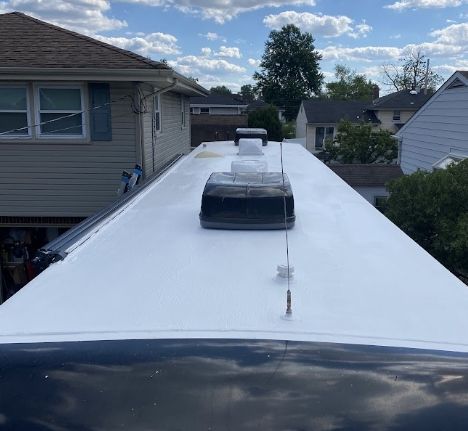
Your RV roof is the only thing standing between your home-on-wheels and thousands of dollars in water damage.
Bob learned that the hard way. Two years without seeing his kids. Six buckets every time it rained. Over $5,000 paid to a company that ghosted him. Ten sheets of decking replaced to undo what a bad contractor made worse. It cost Bob far more than $5,000 to fix it.
Choosing the right contractor is not about price. It is about expertise, documentation, transparency, and craftsmanship. It is about asking the hard questions before anyone steps foot on your roof & knowing when to walk away from anyone who can't answer them confidently.
Ask these five questions. Protect your investment. And never let anyone touch your rig who gives you reason to doubt the answers.
Have Questions About Your RV Roof?
Start with a one-on-one phone consultation — no pressure, no obligation.
Why RV owners choose the RV Roofing Solutions system:
- Low VOC, no offgassing — safer for you, your family, and your pets
- We come to you — mobile service, wherever your rig is parked
- Professionally installed — by technicians who specialize in RV roofs, not general contractors
- Meticulous process — we treat your coach like it's our very own
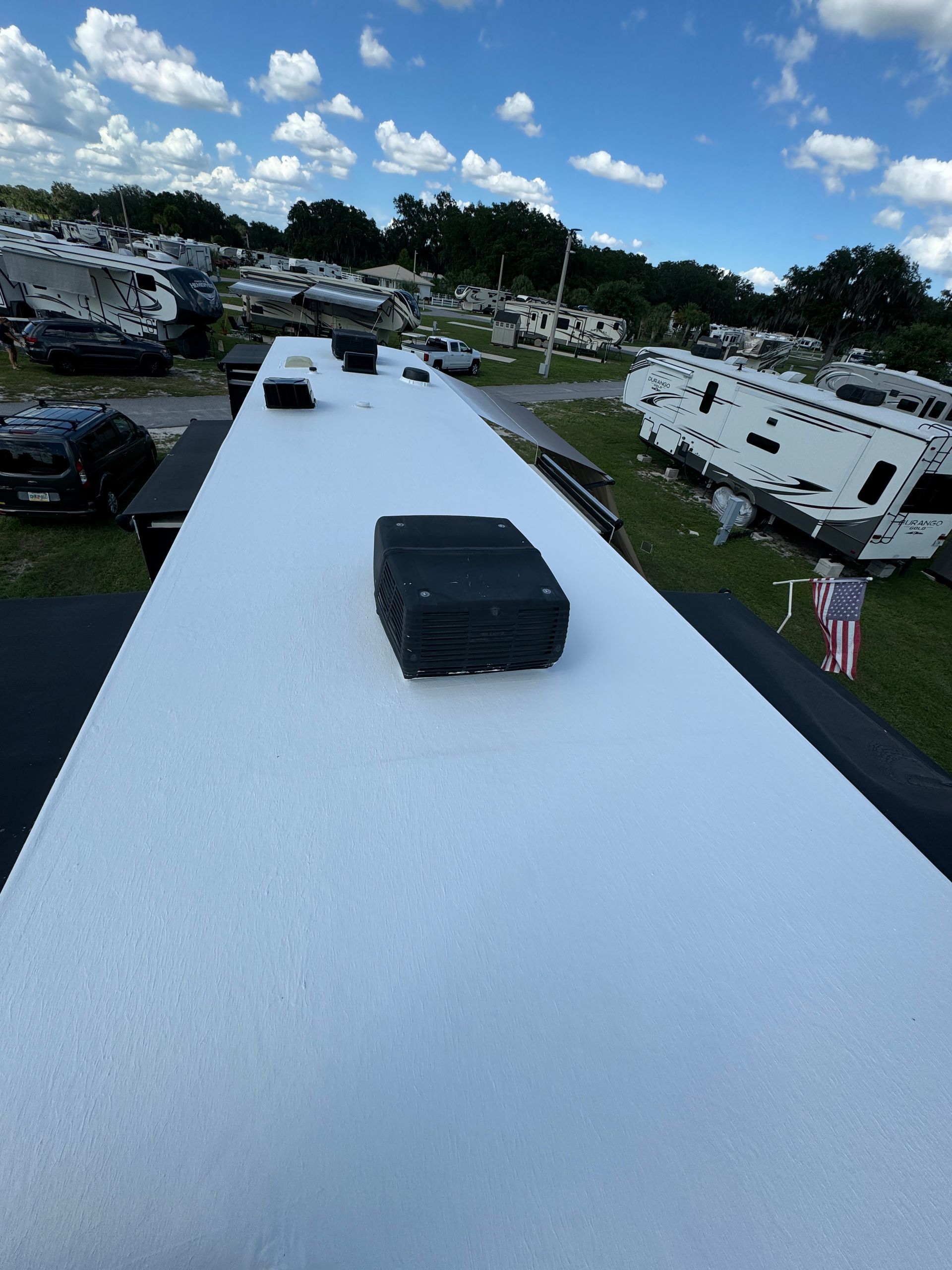
- Seamless system — no more caulking year after year, and it keeps your RV noticeably cooler in the hot summer months
RV Roofing Solutions is family owned and operated, veteran-owned, and our mobile technicians come to you — nationwide.
Contact us at rvroofingsolutions.com
You might also like
RV Roofing Solutions' Blog